I've realize that, more and more, old institutions and industry agents are trying to shape to way the Internet is use and perceive, and they are putting lots of energy in it. Changes will affect those that are actively using internet, and I think we will move slowly toward a web 2.1: A web "more secure" controlled by large corporation where the users is thrown back to the seat of the spectator, as in old media.
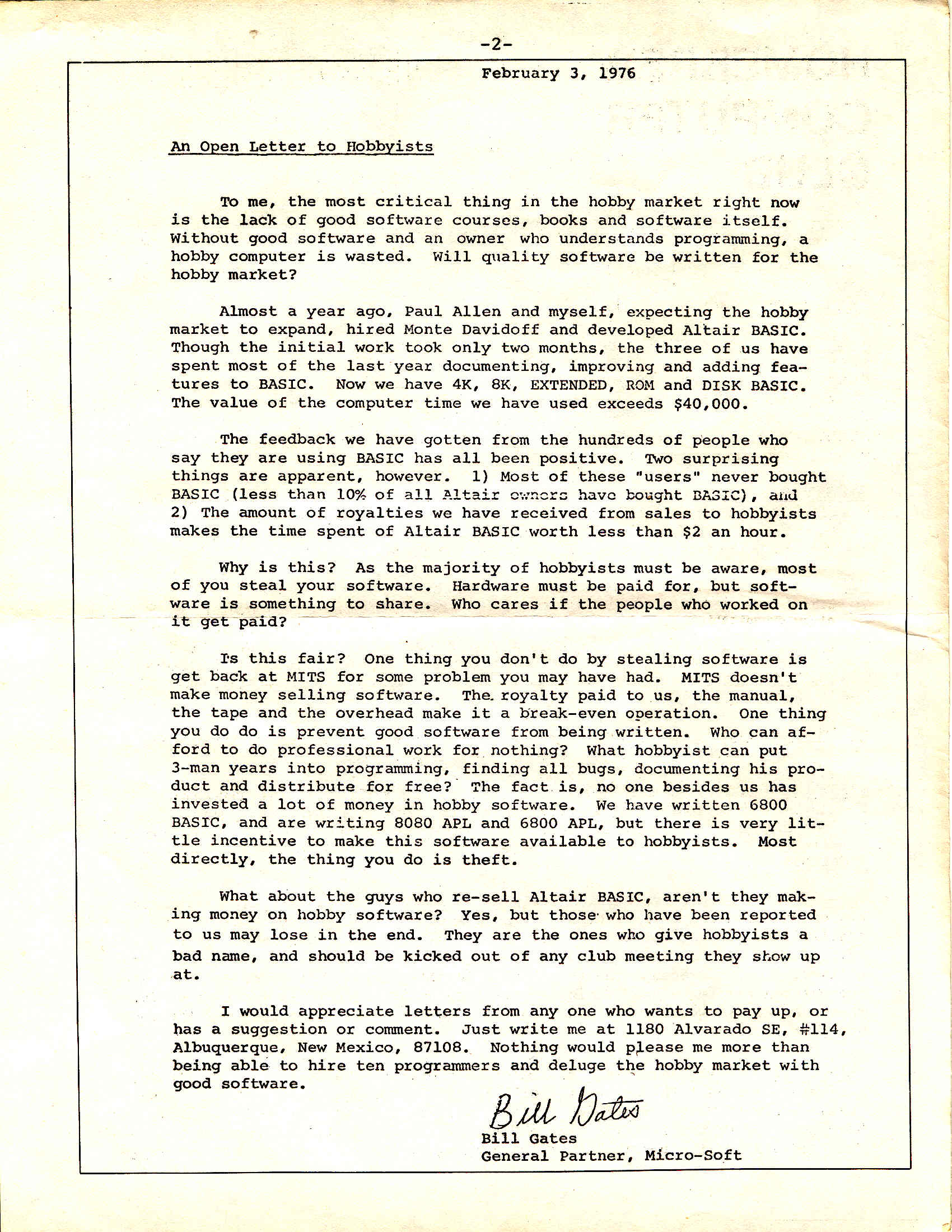
Internet did change our relationship to media and information. User and produced were for a time indistinguishable. People did build a chaotic but democratic sharing of information. Anyone could see and download anything, anytime. This is not true anymore. The traditional media enterprise, that at first neglect Internet as a marginal source of information and spectacle, is now claiming back the industry that is slipping through their hands. They want to secure over the Internet the power they have over traditional media channel. "The chaotic realm of the internet needs to be ordered. "
Lots of energy, and money, is put into this attempt to take back the power from the users. The recent Pirates Bay trial is only an example. Record and movie industry are in court everywhere in the world to claim back their place in the distribution process of cultural products. Internet Service Providers (ISPs) are capping traffic, inspecting it with new deep packet inspection technology and assigning different speed depending of your activity. Bell Canada assigned capped speed to sharing protocol during peak hours. In order to achieve this, they need to inspect the traffic, which seems to me a major violation of privacy. Moreover, they are not only assigning those restrictions to their customers, but also to their resellers. Since Bell own the DSL network, if you are using a DSL modem chance are you traffic is inspected and capped.
Why are they capping the file-sharing protocol? Not only because it is the main channel of pirated file sharing, but also because it is a channel that they have no control over it. They rather you use their web service, and thus bring back home their customers. In a not so distant future, they will probably charge depending the services you will be using: youtube, itune, amazon, etc. like the cable TV. Content provider will need to be large corporation, or they will just disappear. Soon enough, producer of content and users will be two distinct categories. This issue has been known for several years as the net neutrality problematic.
What option is left for the user? They can’t really turn to government. Recent events showed that they will take the side of their traditional allied. CRTC already reject injunction against Bell’s traffic throttling. Sweden court applied American copyrights law to the Pirate Bay’s case, despite a really clever defense on their part, one that shown a better understanding of new technology.
Government doesn’t want the citizen to be in control of those new technologies. They are letting corporation take this control out of our hand, and soon we will be charged more and more to use it.
Internet did change our relationship to media and information. User and produced were for a time indistinguishable. People did build a chaotic but democratic sharing of information. Anyone could see and download anything, anytime. This is not true anymore. The traditional media enterprise, that at first neglect Internet as a marginal source of information and spectacle, is now claiming back the industry that is slipping through their hands. They want to secure over the Internet the power they have over traditional media channel. "The chaotic realm of the internet needs to be ordered. "
Lots of energy, and money, is put into this attempt to take back the power from the users. The recent Pirates Bay trial is only an example. Record and movie industry are in court everywhere in the world to claim back their place in the distribution process of cultural products. Internet Service Providers (ISPs) are capping traffic, inspecting it with new deep packet inspection technology and assigning different speed depending of your activity. Bell Canada assigned capped speed to sharing protocol during peak hours. In order to achieve this, they need to inspect the traffic, which seems to me a major violation of privacy. Moreover, they are not only assigning those restrictions to their customers, but also to their resellers. Since Bell own the DSL network, if you are using a DSL modem chance are you traffic is inspected and capped.
Why are they capping the file-sharing protocol? Not only because it is the main channel of pirated file sharing, but also because it is a channel that they have no control over it. They rather you use their web service, and thus bring back home their customers. In a not so distant future, they will probably charge depending the services you will be using: youtube, itune, amazon, etc. like the cable TV. Content provider will need to be large corporation, or they will just disappear. Soon enough, producer of content and users will be two distinct categories. This issue has been known for several years as the net neutrality problematic.
What option is left for the user? They can’t really turn to government. Recent events showed that they will take the side of their traditional allied. CRTC already reject injunction against Bell’s traffic throttling. Sweden court applied American copyrights law to the Pirate Bay’s case, despite a really clever defense on their part, one that shown a better understanding of new technology.
Government doesn’t want the citizen to be in control of those new technologies. They are letting corporation take this control out of our hand, and soon we will be charged more and more to use it.




 Posts
Posts


